

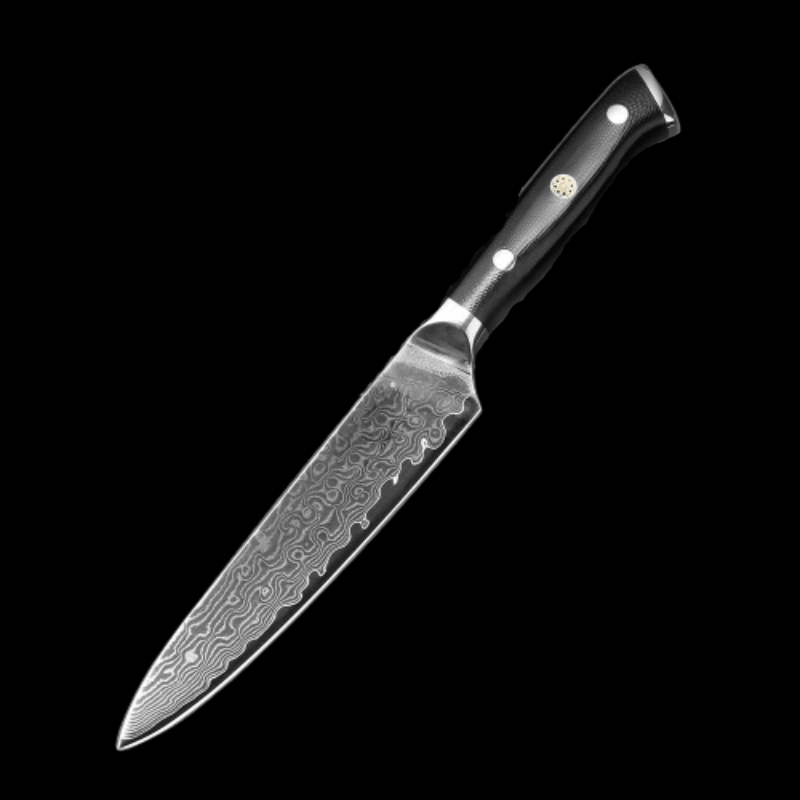
Before bringing knives to a cooking class, ask the instructor whether personal equipment is allowed or needed. Many classes provide tools, and the required equipment depends on the lesson. A shorter, confirmed packing list is more useful than arriving with a full knife collection nobody asked you to bring.
September evening courses are a good reason to review your kitchen kit. They are not a reason to buy advanced tools before you know the course format or the skills you will practise.
Get an itemized list from the instructor
Ask what is supplied, what participants must bring and whether there are restrictions on personal tools. Clarify whether the list names a specific tool type or simply suggests an optional preference.
For example, “bring a container for leftovers” is different from “bring a chef's knife.” Do not interpret one as a general invitation to pack every useful kitchen item.
Also ask about suitable clothing and footwear, food ingredients and any allergy arrangements relevant to you. Follow the venue's instructions and raise any questions before the first session.
Match the tool to the lesson
If a knife is requested, choose the type and size the instructor specifies. The Japanese Damascus VG10 Utility Knife is listed as a utility knife; that does not make it the right substitute for a different knife named on the course list.
Consider your familiarity with the tool. A new class is already a learning environment. A knife you can handle appropriately may be more practical than an unfamiliar purchase selected for its appearance or a steel label.
Do not attempt a sharpening method you have not learned just before the session. The Diamond Knife Sharpening Stone is a separate tool with its own appropriate technique. Ask the instructor how to prepare your equipment if you are unsure.
Plan transport before departure
Never place an unprotected blade loose in a bag. Use a suitable protective arrangement for the actual tool, following its instructions, and ensure it cannot shift or expose an edge during handling.
Check applicable transport rules and the venue's requirements, especially if your journey involves public transport, security screening or travel. A kitchen purpose does not remove the need to follow local restrictions. Do not take a knife on a route where you have not established that carrying it is permitted.
Keep the bag under your control and away from children. Tell the instructor when you arrive if you need help with where equipment should be placed.
Make the return journey part of the plan
Bring only equipment you can clean, dry and safely repack under the class arrangements. Do not put a wet or dirty knife unprotected among your other belongings because the lesson has finished late.
Record what you actually used afterward. If the instructor recommended a different tool, note the task it solves before buying. This creates a more useful shopping list than collecting every item you saw in the room.
Your first class should help you learn what you need. Arrive with the confirmed essentials, follow the instructor's setup and let experience—not a crowded kit—guide the next purchase.
For the related basics, read our guide to questions to ask about a chef's knife bag.