

Vegetable prep in a small kitchen becomes easier when you organise the work in stages: wash, cut, transfer and clear. Keep only the tools needed for the current stage on the counter. A larger knife collection will not solve a workspace crowded with shopping bags, used utensils and ingredients waiting for somewhere to go.
This plan is for an ordinary home-cooking session, not professional speed or advanced knife technique. Use tools you can handle safely and choose a pace that keeps the cutting area under control.
Read the recipe before emptying the refrigerator
List the vegetables and the preparation each needs. Group similar tasks: items to wash, items to peel and items to cut. Set out containers for the prepared ingredients before starting so you are not balancing cut food on the edge of a board.
Keep quantities tied to the recipe and the meal you intend to cook. Preparing every vegetable you own can leave you with more perishable cut food than you need.
For a mixed meal, plan raw meat, poultry and seafood handling separately from ready-to-eat foods. FoodSafety.gov's four food-safety steps explain separation and cleaning practices that help prevent cross-contamination.
Clear one dependable cutting area
Choose a stable work surface and cutting board. Remove packaging, phones and unnecessary appliances from the immediate area. Keep knives visible and out of children's reach; do not leave them hidden under towels or in a sink of water.
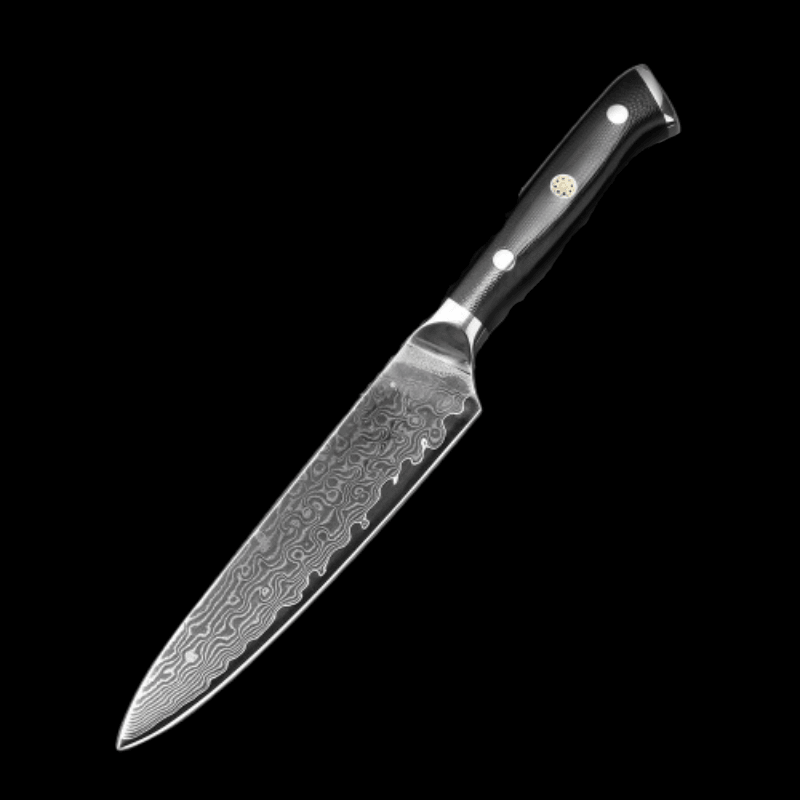
Use a knife suited to the task and your ability. Chuakoo's Japanese Damascus VG10 Utility Knife is one catalog option to examine, but a product name does not establish the best technique for a particular ingredient. If a task feels unstable or requires force you cannot control, stop and choose a safer method or appropriate help.
Work in manageable groups
Bring a small group of ingredients to the board, complete that stage and transfer them to their containers. Clear scraps regularly so the cutting surface stays visible. Keep the ingredient labels or recipe nearby if several prepared foods look alike.
Do not leave refrigerated ingredients out simply to finish every preparation task in one long session. Follow safe storage guidance for the food you are preparing and the recipe's instructions.
For example, you might wash and prepare vegetables for a soup, put the prepared ingredients where the recipe requires, then clear the board before starting a separate salad. The sequence depends on the meal, not on an idealised kitchen layout.
Treat sharpening as its own task
Do not begin experimenting with a new sharpening method in the middle of preparing dinner. A Diamond Knife Sharpening Stone needs instructions appropriate to that tool and blade. Learn and practise safely at a separate time or use a qualified sharpening service.
Check knives and equipment before starting. Damaged handles or unstable equipment are reasons to stop using an item, not to push through the preparation more carefully.
Reset before cooking takes your attention
Move prepared ingredients to their proper storage or cooking position, clean the board and tools appropriately and put knives away safely. Leave the counter ready for the next step instead of carrying a pile of dirty equipment into the cooking stage.
A small kitchen can support an orderly prep session when tasks have a clear sequence. Start with the meal, keep the active workspace uncluttered and buy an additional tool only when it solves a specific task you actually repeat.